U.S. Central Command / AARO / Release of September 18, 2026
DOW-UAP-PR133, Unresolved UAP Report, Middle East, 2025
Five minutes of pursuit with the sensor; the report speaks of a “round white orb” at up to 500 miles per hour.
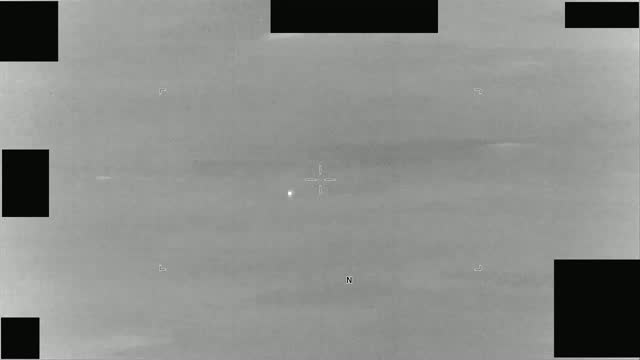
Infrared sensor video · 4 min 58 s · the video only loads when you start playback, directly from the official server.
Official record ↗- Publication
- Release of September 18, 2026
- Code
- DOW-UAP-PR133
- Duration
- 4 min 58 s
- Agency
- U.S. Central Command / AARO
Original title: DOW-UAP-PR133, Unresolved UAP Report, Middle East, 2025.
OFFICIAL DESCRIPTION, IN ENGLISH
The United States Central Command submitted a report of an unidentified anomalous phenomenon to the All-domain Anomaly Resolution Office (AARO) consisting of 4 minutes and 58 seconds of video footage from an infrared sensor aboard a U.S. military platform in 2024. An accompanying mission report, DOW-UAP-D107, described the UAP as “look[ing] like a white round orbit… moving as fast as 500 miles per hour.”
Video Description:
00:00-00:04: The sensor pans to track an area of contrast, keeping it generally centered within the frame.
00:05-00:50: The sensor decreases its level of magnification and continues to track the area of contrast, keeping it generally within the center of the frame.
00:51-01:21: The sensor decreases its level of magnification and adjusts its panning speed to track the area of contrast, keeping it generally within the center of the frame.
01:22-01:41: The sensor increases its level of magnification and adjusts its panning speed to track the area of contrast, keeping it generally within the center of the frame.
01:43-2:05: A rectangular digital overlay, or “focus box,” appears near the center of the frame. This display element is a graphical component of the sensor system and does indicate a physical change in the environment. The sensor pans to track the area of contrast, keeping it generally within the center of the frame before exiting the sensor field-of-view from the bottom edge.
02:06-02:21: The sensor pans across the scene and decreases its level of magnification. The area of contrast intermittently re-appears from the left edge of the frame.
02:22-02:28: The sensor pans across the scene, reacquiring the area of contrast. After the area of contrast re-enters the scene, the sensor continues to pan to track it, keeping it generally within the center of the frame. The sensor engages briefly stops panning and the area of contrast exits on the right side once again.
02:29-02:36: The sensor activates an auto-tracking reticle, which does not establish a lock on the area of contrast. After the auto-track reticle disengages, the sensor stops panning, causing the area of contrast to exit the frame from the right edge.
02:37-3:22: The sensor pans and requires the area of contrast, keeping it within its field-of-view before it exits the bottom edge of the frame.
3:23-4:29: The sensor continues to pan then zooms out and reacquires the area of contrast, now significantly smaller in the sensor’s field of view. The sensor continuously pans to keep the area of contrast in the field of view.
4:30-4:58: The sensor zooms in, and the area of contrast transits the field-of-view, exiting the top of the frame. The sensor cycles magnification levels multiple times.
This video description is provided for informational purposes only. Readers should not interpret any part of this description as reflecting an analytical judgment, investigative conclusion, or factual determination regarding the described event’s validity, nature, or significance.
Original description in English
The United States Central Command submitted a report of an unidentified anomalous phenomenon to the All-domain Anomaly Resolution Office (AARO) consisting of 4 minutes and 58 seconds of video footage from an infrared sensor aboard a U.S. military platform in 2024. An accompanying mission report, DOW-UAP-D107, described the UAP as “look[ing] like a white round orbit… moving as fast as 500 miles per hour.”
Video Description:
00:00-00:04: The sensor pans to track an area of contrast, keeping it generally centered within the frame.
00:05-00:50: The sensor decreases its level of magnification and continues to track the area of contrast, keeping it generally within the center of the frame.
00:51-01:21: The sensor decreases its level of magnification and adjusts its panning speed to track the area of contrast, keeping it generally within the center of the frame.
01:22-01:41: The sensor increases its level of magnification and adjusts its panning speed to track the area of contrast, keeping it generally within the center of the frame.
01:43-2:05: A rectangular digital overlay, or “focus box,” appears near the center of the frame. This display element is a graphical component of the sensor system and does indicate a physical change in the environment. The sensor pans to track the area of contrast, keeping it generally within the center of the frame before exiting the sensor field-of-view from the bottom edge.
02:06-02:21: The sensor pans across the scene and decreases its level of magnification. The area of contrast intermittently re-appears from the left edge of the frame.
02:22-02:28: The sensor pans across the scene, reacquiring the area of contrast. After the area of contrast re-enters the scene, the sensor continues to pan to track it, keeping it generally within the center of the frame. The sensor engages briefly stops panning and the area of contrast exits on the right side once again.
02:29-02:36: The sensor activates an auto-tracking reticle, which does not establish a lock on the area of contrast. After the auto-track reticle disengages, the sensor stops panning, causing the area of contrast to exit the frame from the right edge.
02:37-3:22: The sensor pans and requires the area of contrast, keeping it within its field-of-view before it exits the bottom edge of the frame.
3:23-4:29: The sensor continues to pan then zooms out and reacquires the area of contrast, now significantly smaller in the sensor’s field of view. The sensor continuously pans to keep the area of contrast in the field of view.
4:30-4:58: The sensor zooms in, and the area of contrast transits the field-of-view, exiting the top of the frame. The sensor cycles magnification levels multiple times.
This video description is provided for informational purposes only. Readers should not interpret any part of this description as reflecting an analytical judgment, investigative conclusion, or factual determination regarding the described event’s validity, nature, or significance.
RELATED DOSSIERS
Official identifier: DOD_111985772. Source: official record on DVIDS ↗.